Women at Work: Unleashing the Market’s Hidden Half

Dhaka and Dakar: In factory lofts and open-air markets from Dhaka to Dakar, women are rewriting economic rules. Across the emerging world, female entrepreneurs and workers represent a vast untapped engine of growth. In South Asia, only 32% of working-age women participate in the labour force, compared to 77% of men. Social norms and lack of childcare push many to leave work after marriage, as seen in India’s persistently low female employment. This female labour gap is not just an equity concern; it’s an epic economic inefficiency. The World Bank finds that raising South Asian women’s participation to the same level as men’s would boost the region’s GDP by up to 51%. Globally, Moody’s Analytics estimates closing gender gaps could add a staggering $7 trillion to the world economy.
The opportunity cost of sidelining women is especially visible in Africa.
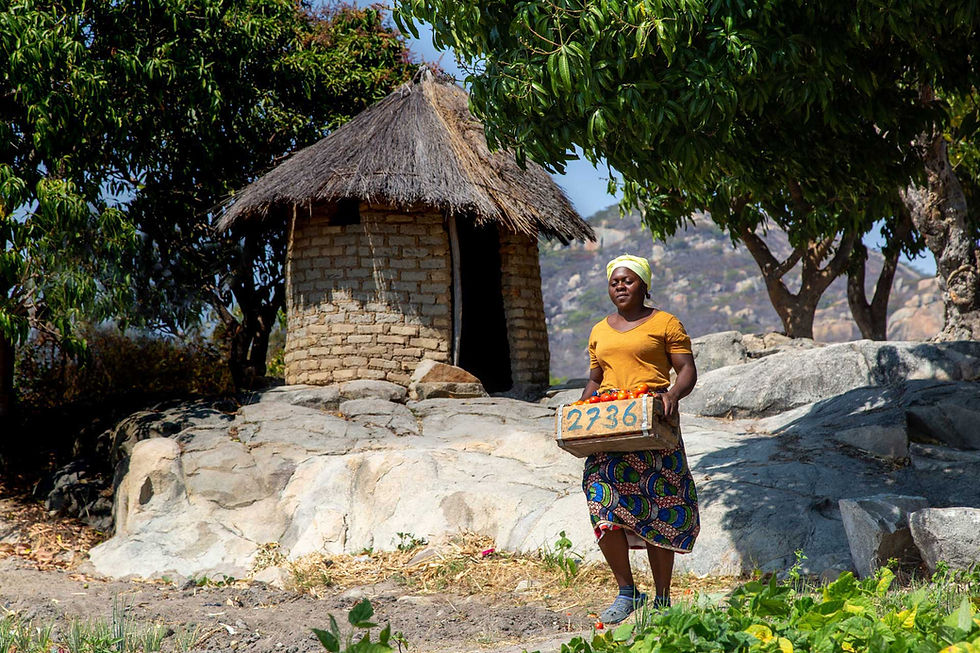
African women make up 58% of the continent’s self-employed population but produce only about 13% of GDP, a sign that most are trapped in low-productivity informal jobs, without access to capital to grow. Even so, women’s economic hustle is formidable. Sub-Saharan Africa has the world’s highest rate of female entrepreneurship, with about 26% of adult women engaged in early-stage businesses. Women dominate cross-border trade at informally bridged frontiers with an estimated 70% of informal trade is conducted by female traders ferrying goods and linking markets. These “market queens” sustain families and communities. Imagine their impact with better infrastructure, financing, safety and legal protections.
However, change is underway. Governments and development financiers are waking up to women’s transformative potential. In Bangladesh, millions of female garment workers have powered an export miracle and sparked social shifts by earning independent incomes. Across emerging Asia and Africa, more girls are in school than ever before, and more women are founding companies or managing farms. Yet progress is uneven. Many women still face credit gaps (a $42 billion financing shortfall for African women-led SMEs, by one estimate), legal barriers, such as land ownership laws that favour men, and outright discrimination in hiring and pay. The result: women often remain confined to the informal sector or unpaid care roles. Even in 2025, the global gender wage gap hovers around 20-30% and higher in many developing countries.
What would it take to truly unlock women’s economic power? Part of the answer lies in policy, enforcing equal inheritance and property rights, funding girls’ education in STEM fields, and providing childcare and safe transport so women can work outside the home would all help. Companies have a role too, those that hire and promote women often reap productivity and innovation gains. And new regional initiatives offer promise. For example, Africa’s free trade pact (AfCFTA) could particularly benefit women, who are overrepresented in informal trade, by simplifying customs and expanding access to new markets. Already, women-owned businesses are networking across borders to seize AfCFTA opportunities, from fashion to fintech. Meanwhile, digital technology is a powerful enabler where mobile banking and e-commerce allow women to do business from home or village, circumventing traditional gatekeepers.
No investor or leader can afford to ignore half the talent pool. As one African slogan puts it:
“When you empower a woman, you empower a nation.”
The coming years could see a sea change as the Global South’s women rise, driving gains in productivity, food security, and family welfare. Their incomes don’t just elevate GDP; studies show women typically reinvest up to 90% of earnings into their families’ education, health and nutrition. That multiplies impact across generations. In short, women are the ultimate emerging market. The countries and companies that realise this, and that extend them credit, training, and rights, stand to gain a windfall of growth and social progress.